Monthly Archives: March 2012
Security Council; DRC; Pakistan; India; and more
On Monday the UN-Arab League Special Envoy for Syria, Kofi Annan will brief Council members in consultations by videoconference on his mediation efforts. Council members are likely to be interested in Annan’s recent visits to Moscow and Beijing and his plans to visit Tehran and Riyadh in the near future, according to Security Council Report.
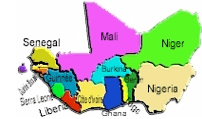
In Praise of ECOWAS
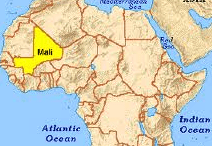
We don’t know how the Mali coup will end. But because of ECOWAS, I predict it will end badly for the putschists.
Top of the Morning: ECOWAS Puts the Squeeze on Mali; Forget the World Bank, BRICS Will Start Their Own Own
Top stories from the Development and Aid World News Service–DAWNS Digest.
Syria; Arab League Summit; Yemen; Libya; and more
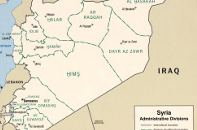
Syria’s president embraced Kofi Annan’s peacemaking effort today, saying his government will “put every effort to ensure the success of the mission.”Assad gave the assurance in a letter to the BRICS summit, the meeting in New Delhi of the world’s top emerging economies, according to the state-run Syrian Arab News Agency.
A Dangerous Turn Toward Ethnic Cleansing in Syria
New York Times reporter Anne Barnard spends some time with recent Syrian refugees in Lebanon. They tell her that the fighting is increasingly taking on a sectarian bent with neighbor fighting neighbor.
Why We Need to Defeat Cholera
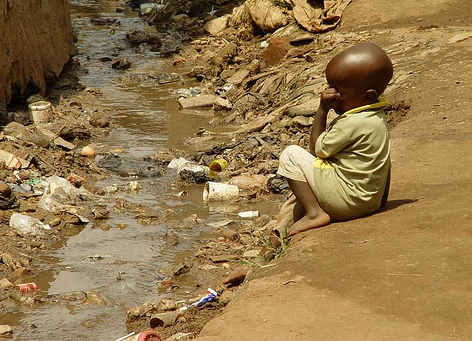
Access to safe water and basic sanitation has been on the U.N.’s books as a fundamental right since 2010, but there are more tangible reasons that inadequate access to sanitation is an issue.
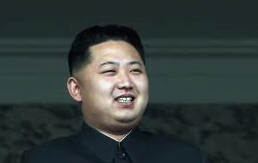
Top of the Morning: US Suspends North Korea Food Aid; Arab League Leadership Shift
Top stories from DAWNS Digest.
Climate Change panel’s report; the Sahel; UNAIDS/NEPAD partnership; and more
A future on Earth of more extreme weather and rising seas will require better planning for natural disasters to save lives and limit deepening economic losses, the United Nations said on Wednesday in a major report on the effects of climate change. The U.N. climate panel said all nations will be vulnerable to the expected increase in heat waves, more intense rains and floods and a probable rise in the intensity of droughts.
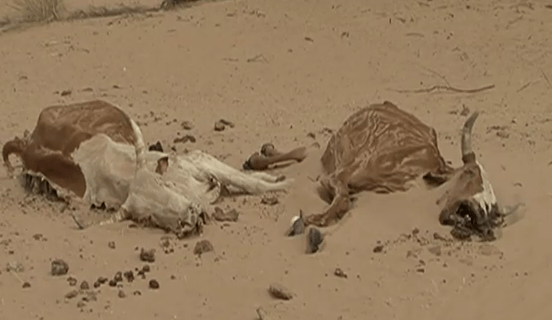
Yet Another Warning About Food Crisis in the Sahel
“April to June is when this will really build up to a crisis.” An important video from UNICEF.
So, You Want to Learn About Global Health? Here is Where to Start
Our very own Alanna Shaikh has a new e-book: What’s Killing Us: A Practical Guide to Understanding Our Biggest Global Health Problems. The book is published by TED (as in, the TED Talks) and it is…great!
-
The top United Nations refugee official today voiced his alarm at new inflows of refugees into Rwanda and Uganda, fleeing fighting in eastern Democratic Republic of the Congo (DRC). More than 8,200 refugees have crossed from DRC into Rwanda since 27 April, according to staff of the Office of the UN High Commissioner for Refugees (UNHCR). These are in addition to the 55,000 Congolese refugees that Rwanda is already hosting.
-
Syria: U.N.-Arab League mediator Kofi Annan is urging Syria’s government to accept U.N. conditions for expanding the distribution of humanitarian aid to roughly 1 million Syrians in need of assistance, the United Nations said today. Meanwhile, three vehicles belonging to … Read more
-
Sustainable Future Symposium; ICT for Development; IAEA/Iran; Global Financial Transaction Tax; and more
Partnerships and development cooperation among countries will play a key role in accelerating sustainable development, the Secretary-General of the UN Sustainable Development Conference (Rio+20), Sha Zukang said today, stressing that assistance will need to focus on helping developing countries find longer-term solutions to eradicate poverty and transition into a green economy.The two-day Australia High-Level Symposium, “Shaping a Sustainable Future – Partners in Development Cooperation,” which began today, seeks to facilitate an informal dialogue on development cooperation among high-level policymakers, multilateral and civil society organizations, philanthropic foundations and the private sector.
-
DR Congo; South Sudan; UNHCR and OIC; and more
Assistant Secretary-General for Human Rights, Ivan Šimonovic, today voiced concern over the human rights situation in the eastern Democratic Republic of the Congo (DRC), which has experienced a recent upsurge in violence. Mr. Šimonovic said he was “appalled” by the heightened levels of recent violence triggered by defections in the Congolese armed forces, including former members of certain militia groups, and welcomed joint efforts between the peacekeepers of the UN Organization Stabilization Mission in the DR Congo (MONUSCO), humanitarian actors and the authorities to protect civilians and respond to human rights violations.
-
Asia-Pacific Human Development Report; Syria; Horn of Africa; UNRWA
Countries in the Asia-Pacific region must find ways to continue to grow economically and lift millions out of poverty while also responding to climate change and environmental concerns, according to UN report released today, which stresses that new methods of production are needed to meet this goal.UNDP’s Asia-Pacific Human Development Report 2012 argues that policies and actions in the region will have a global impact as it is home to more than half of the world’s population and half of the planet’s megacities.
-
SG on Rio/Post-2015 Development; Syria; Middle East; Global Fund; and more
Appealing for flexibility in reaching agreement on a final outcome document, UN Secretary General Ban Ki-moon today, emphasized the need for Member States to agree on launching a process to establish Sustainable Development Goals ahead of the Rio+20 conference while also announcing the appointment of three co-chairs to his High-Level Panel on Post-2015 Development Planning. We should agree on launching a process to establish Sustainable Development Goals that build on the Millennium Development Goals … find better ways to measure progress that goes beyond Gross Domestic Product …and advance action to improve people’s lives through decent work, social protection and the empowerment of women and young people,” the UN chief said in his address to the UN General Assembly.
-
Syria; Guinea-Bissau; UNAIDS; Afghanistan; and more
Amid concerns from the international community over the prospects of a “full civil war” in Syria, the Joint Special Envoy Kofi Annan, said today that the ongoing levels of violence and human rights abuses in the Middle Eastern country are unacceptable and the UN observer mission is possibly the only remaining chance to stabilize it.
-
Peacebuilding; South Sudan; Indigenous Issues; Rwanda
The United Nations is determined to do everything possible to assist societies torn by war from sliding back into conflict, Secretary-General Ban Ki-moon told an audience in the United States capital today, adding that while there have been setbacks, peacebuilding remains a crucial element of the world body’s efforts.In a speech to the Center for Strategic and International Studies in Washington, D. C., Mr. Ban highlighted the work of the UN’s 16 peacekeeping operations and 15 political missions in the area of peacebuilding – a core mandate of the Organization.
-
Counter-terrorism; South Sudan; Iran; Rights of Indigenous Peoples; and more
At the Security Council’s high-level debate on Counter-terrorism today, Secretary-General Ban Ki-moon said today he hoped Member States will decide to create the position of a UN Counter-Terrorism Coordinator to promote better coordination, collaboration and cooperation among all players.Mr. Ban told the Security Council, during its debate on threats to international peace and security caused by terrorist acts, that terrorism is a significant threat to peace and security, prosperity and people, and the global community continues to pursue a robust and comprehensive response.
-
Sudan/South Sudan; North Korea; Afghanistan; “Born too Soon” report; and more
The Security Council today adopted a unanimous resolution calling on Sudan and South Sudan to immediately end hostilities and resume negotiations within two weeksto resolve all outstanding issues, and voiced its intention to take appropriate measures if the parties do not comply. The Council decided that the two countries shall, among other measures, “immediately cease all hostilities; unconditionally withdraw all of their armed forces to their side of the border; activate, within one week, the necessary border security mechanisms; and immediately cease hostile propaganda and inflammatory statements in the media”.